Are Winter Tires Mandatory in Ontario?
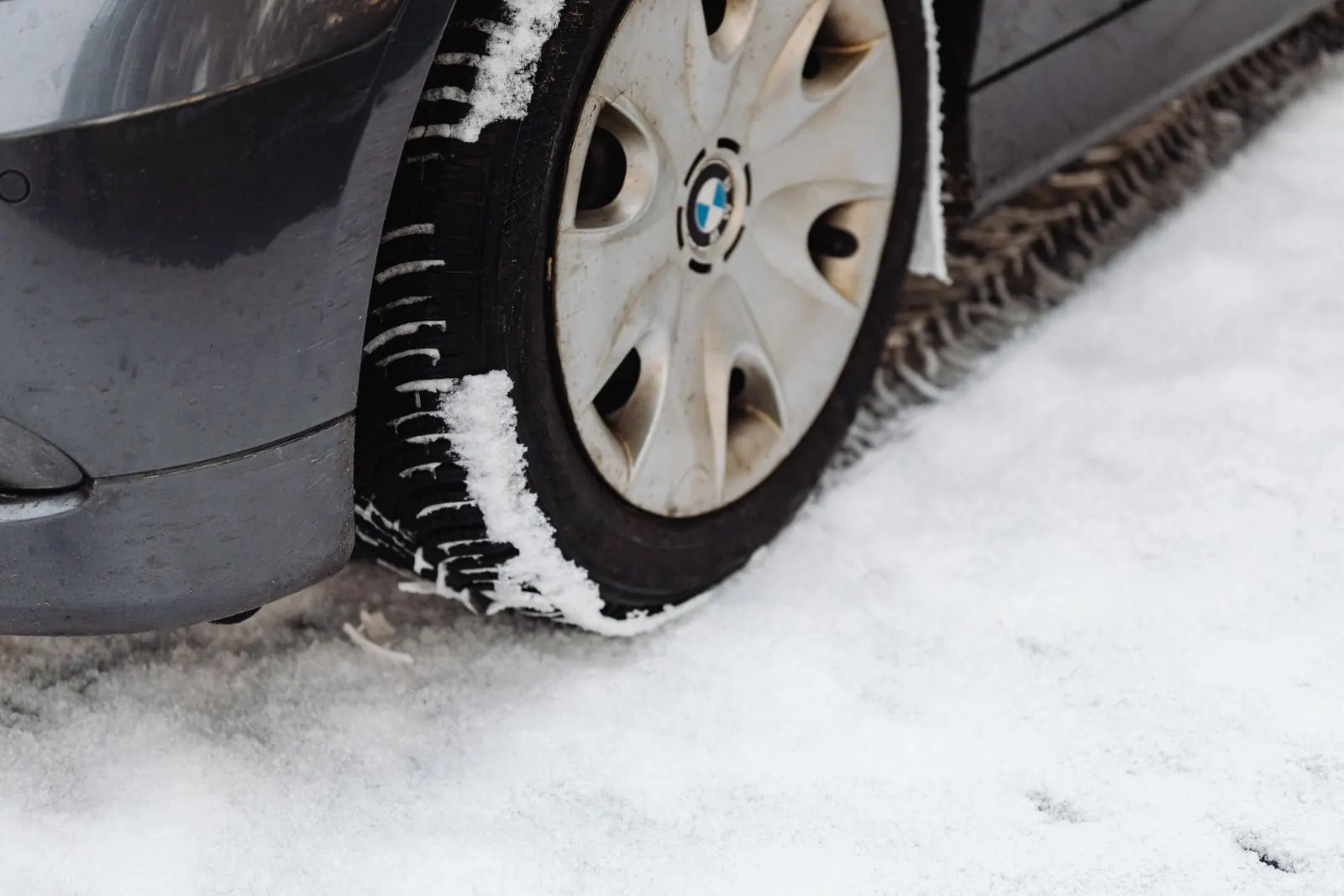
No. As of October 2026, Ontario has no law requiring winter tires on passenger vehicles, so there's no fine for driving on all-season tires in January in Aurora or anywhere else in the province. Quebec is different: winter tires are mandatory there for Quebec-registered vehicles from December 1 to March 15. That said, "legal" and "safe" aren't the same thing. Ontario's government recommends winter tires, noting they improve traction and control on frost, snow and ice and can shorten braking distances by as much as 25%.
Ontario's official driver's handbook also recommends equipping your vehicle with four winter or all-weather tires with the same tread pattern, rather than mixing types between the front and rear.
The Winter Tire Insurance Discount
While there's no law forcing winter tires, Ontario does have a rule that works in your favour: since January 1, 2016, insurers have been required to offer a discount on private passenger auto policies to drivers who install winter tires. The province doesn't set the amount — each insurer decides it — and each insurer sets its own qualifying rules.
- Most insurers require a full set of four winter tires.
- The tires generally need to carry the three-peak mountain snowflake symbol.
- Some insurers require the tires to be on between specific dates in the fall and spring.
- Insurers differ on all-weather tires: some count them toward the discount and some don't, especially if they stay on year-round.
- You may be asked for proof, such as an installation receipt — keep it.
The discount doesn't apply automatically, so ask your insurer or broker what they need and when.
Studded Tires in Ontario
Studded tires are restricted in Ontario. They're allowed for residents of Northern Ontario, and for drivers visiting from out of province, but not for vehicles in Southern Ontario — which includes Aurora and the rest of York Region. For drivers here, a quality non-studded winter tire with the mountain snowflake symbol is the way to go.
All-Season vs. All-Weather vs. Winter — What's Actually Different?
- All-season tires are a warm-weather compromise. Their rubber compound starts to stiffen once temperatures drop below about 7°C, meaning less grip exactly when you need it most.
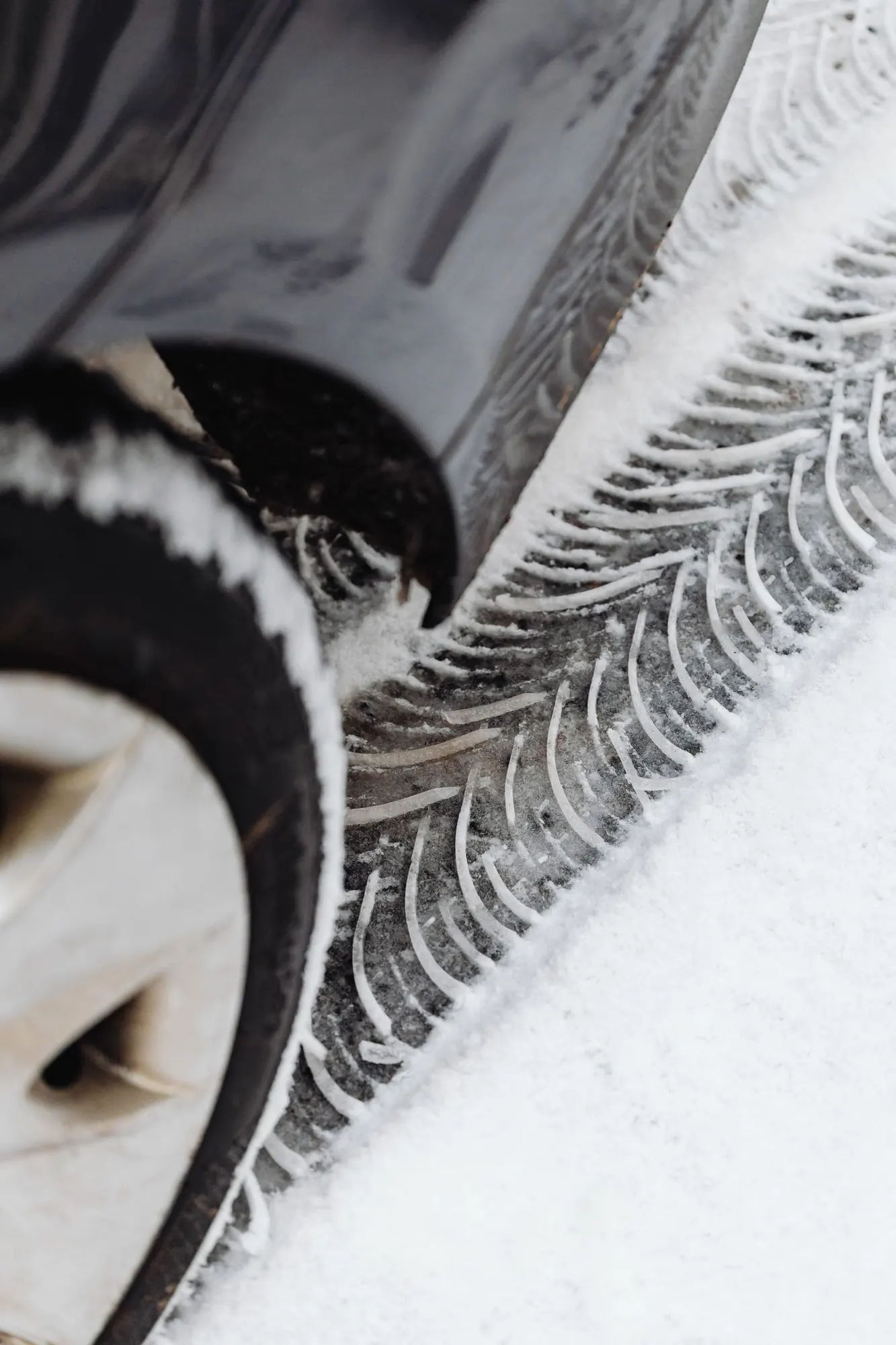
- Winter tires use a much softer rubber compound plus deeper, more aggressive tread with tiny slits called sipes that bite into snow and ice. They're built for the coldest, snowiest conditions Ontario can throw at them.
- All-weather tires sit in between. They carry the same three-peak mountain snowflake (3PMSF) symbol as dedicated winter tires — certified for severe snow service — but stay on your vehicle year-round instead of being swapped twice a year.
For most drivers in Aurora and the GTA who see moderate winters, a quality all-weather tire is a reasonable middle ground. If you regularly drive through heavier snow, dedicated winter tires still outperform. We compare them in detail in All-Season vs. All-Weather Tires in York Region.
When Should You Switch?
Go by temperature, not the calendar: once daytime highs are consistently below 7°C — usually mid-to-late November around Aurora — it's time. Our guide on when to put on and take off winter tires covers fall and spring timing in detail, and our team can help you pick between winter and all-weather tires based on how and where you actually drive.
Sources
- Government of Ontario, "Winter driving" (ontario.ca/page/winter-driving) — winter tire benefits, the mountain snowflake symbol and studded tire rules. Checked October 16, 2026.
- Government of Ontario, Official MTO Driver's Handbook, "Maintaining your vehicle" — four matching winter or all-weather tires. Checked October 16, 2026.
- Financial Services Regulatory Authority of Ontario (FSRA), "How to save on auto insurance" — winter tire discount. Checked October 16, 2026.
- Société de l’assurance automobile du Québec (SAAQ) — Quebec winter tire requirement, December 1 to March 15. Checked October 16, 2026.