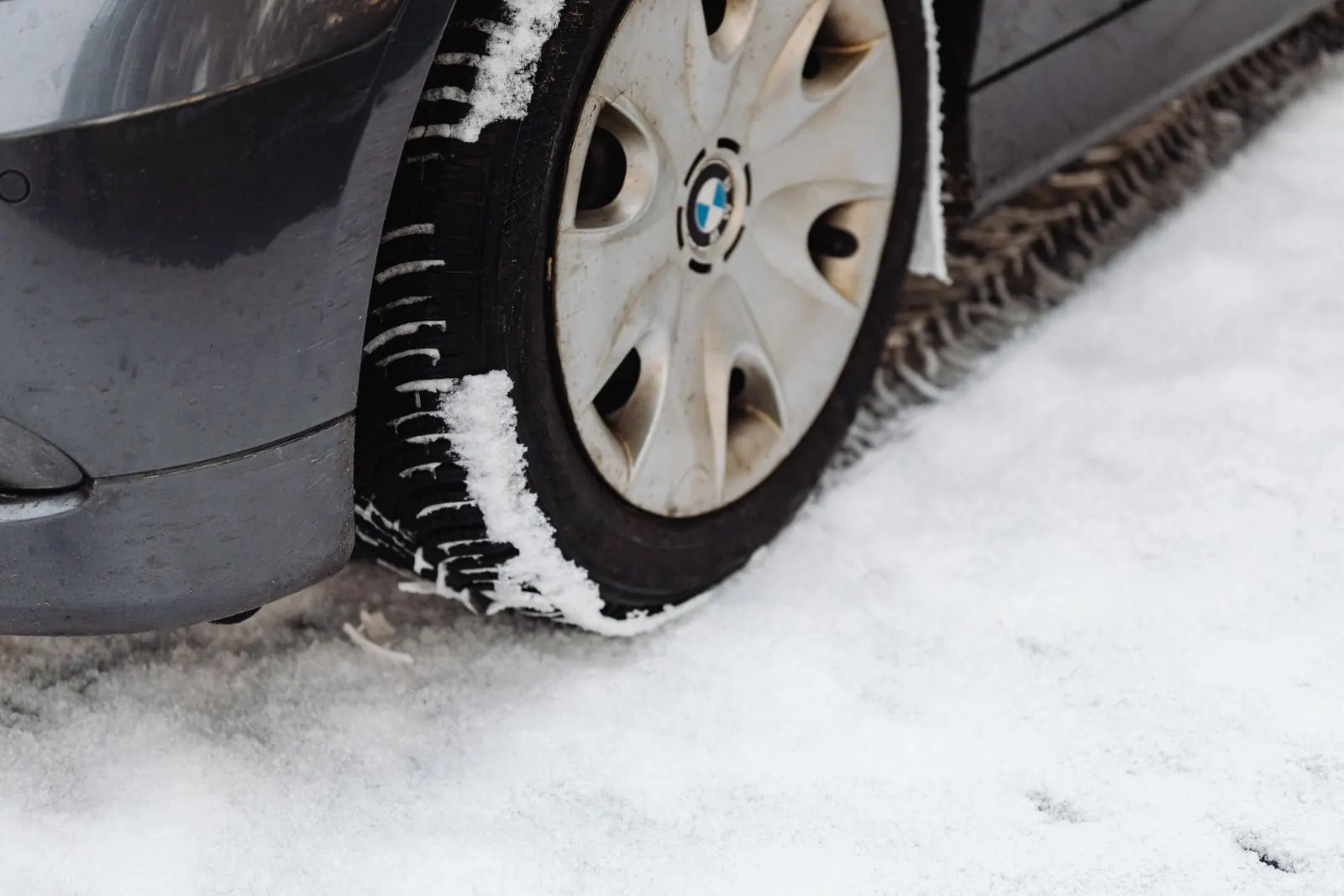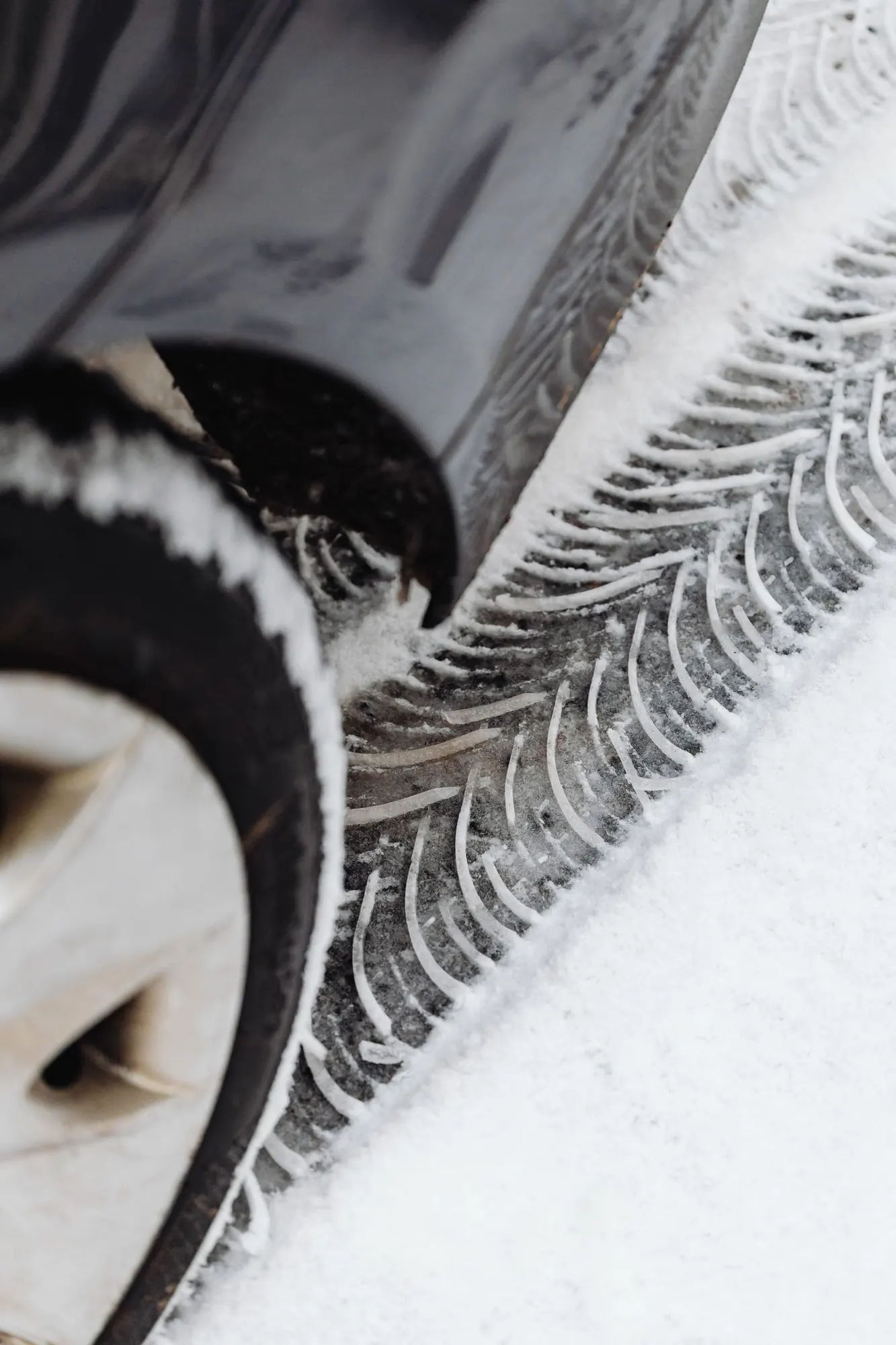
Why Tread Depth Matters More Than You Think
Tread depth isn't just about traction in snow — it's what channels water out from under your tires in the rain. As tread wears down, your risk of hydroplaning climbs sharply, and stopping distances get longer on wet pavement. In Ontario, the legal minimum tread depth for a passenger vehicle is 1.5mm, but by the time you're at that number, your tires have already lost most of their real-world wet-weather performance.
The Coin Test (Works With Anything in Your Pocket)
- Park on flat, level ground.
- Take a quarter and insert it into a tread groove, caribou-first (upside down).
- Check three spots on each tire — inner edge, center, and outer edge — since wear is often uneven.
- If the tread reaches partway up the caribou's back, you're still in reasonably good shape. If you can see the top of its back clearly, start shopping for replacements soon.
For a more urgent read, try a toonie: if the tread doesn't reach the outer silver ring around the polar bear, your tires are critically low and should be replaced immediately.
The Built-In Method: Tread Wear Indicators
Every tire sold in North America has small raised bars molded into the bottom of the tread grooves, spaced around the tire. These wear indicators sit at exactly 1.6mm. Once your tread is flush with those bars, the tire is functionally worn out — no coin required.
Uneven Wear Is a Warning Sign, Not Just a Measurement
If one area of the tire is noticeably more worn than another — the inside edge versus the outside edge, or the center versus the shoulders — that's rarely just bad luck. It's usually a sign of incorrect tire pressure, a misalignment, or a suspension issue, and it's worth having checked before it shortens the life of a full set of tires.
What Is the Legal Tread Depth in Ontario?
As of October 2026, Ontario's official driver's handbook says passenger vehicle tires must be replaced when the tread is less than 1.5 mm deep, or when the tread-wear indicators touch the road. For vehicles heavier than 4,500 kg, the front tires must be replaced at 3 mm. The handbook also says to replace any tire with bulges, knots, exposed cords or deep cuts, and that tires should not be older than 10 years.
1.5 mm is the legal floor, not a safe target for winter. Grip on snow and slush falls off well before that, so many drivers replace winter tires with noticeably more tread left. For how long a set typically lasts and other signs it's time for new tires, see How Long Do Tires Last in Canada?.
Sources
- Government of Ontario, Official MTO Driver's Handbook, "Maintaining your vehicle" (ontario.ca/document/official-mto-drivers-handbook/maintaining-your-vehicle). Checked October 26, 2026.