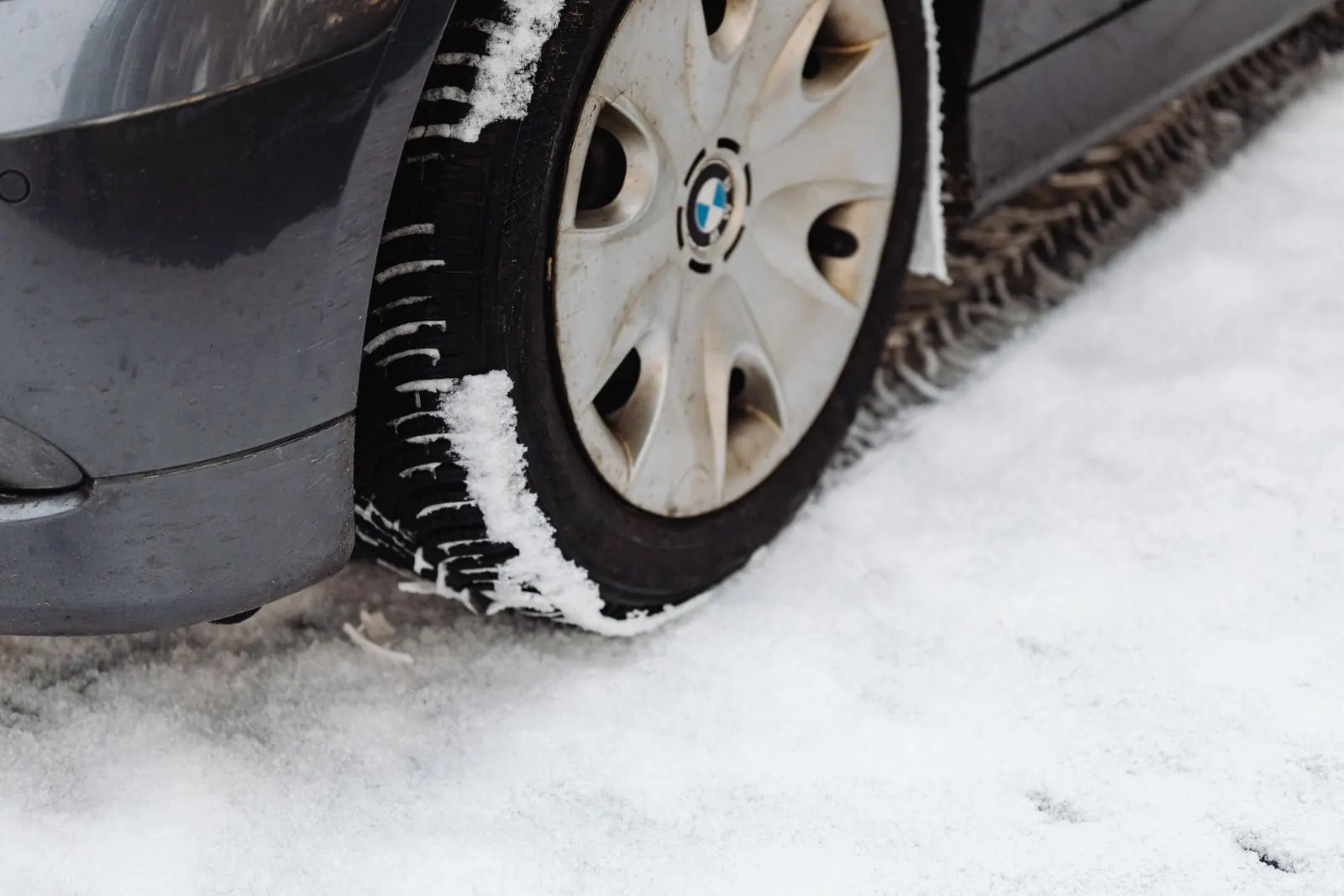
Winter Tires
Maximum grip once temperatures drop below 7°C
Tuned for below 7°C
Are Winter Tires the Right Fit for You?
At Terron Tire in Aurora, ON, we hear one question from drivers every single fall: do I actually need a dedicated set of winter tires, or can I get by on what's already on the car? Ontario doesn't legally mandate winter tires the way Quebec does, but our answer is still yes — once temperatures hold below 7°C, no all-season or all-weather compound grips ice and packed snow the way a purpose-built winter tire does. Here's what actually separates a real winter tire from everything else, and how much of a difference it makes once the roads turn white.
Riding & Handling
Winter tires trade some dry-road precision for cold-weather grip — the softer compound that bites into snow and ice can feel slightly less sharp on dry summer pavement, and road noise tends to run a bit higher than a quiet all-season tire. That tradeoff pays off the moment temperatures drop and roads turn icy, where winter tires deliver dramatically shorter stopping distances and far more confident cornering than any other tire type.
Best Weather Conditions
Winter tires are purpose-built for snow, ice, slush, and cold, dry pavement — anywhere temperatures sit consistently below 7°C. Below that threshold, their softer rubber compound stays pliable and keeps gripping, while all-season and summer rubber hardens and loses traction fast.
Other Tire Types
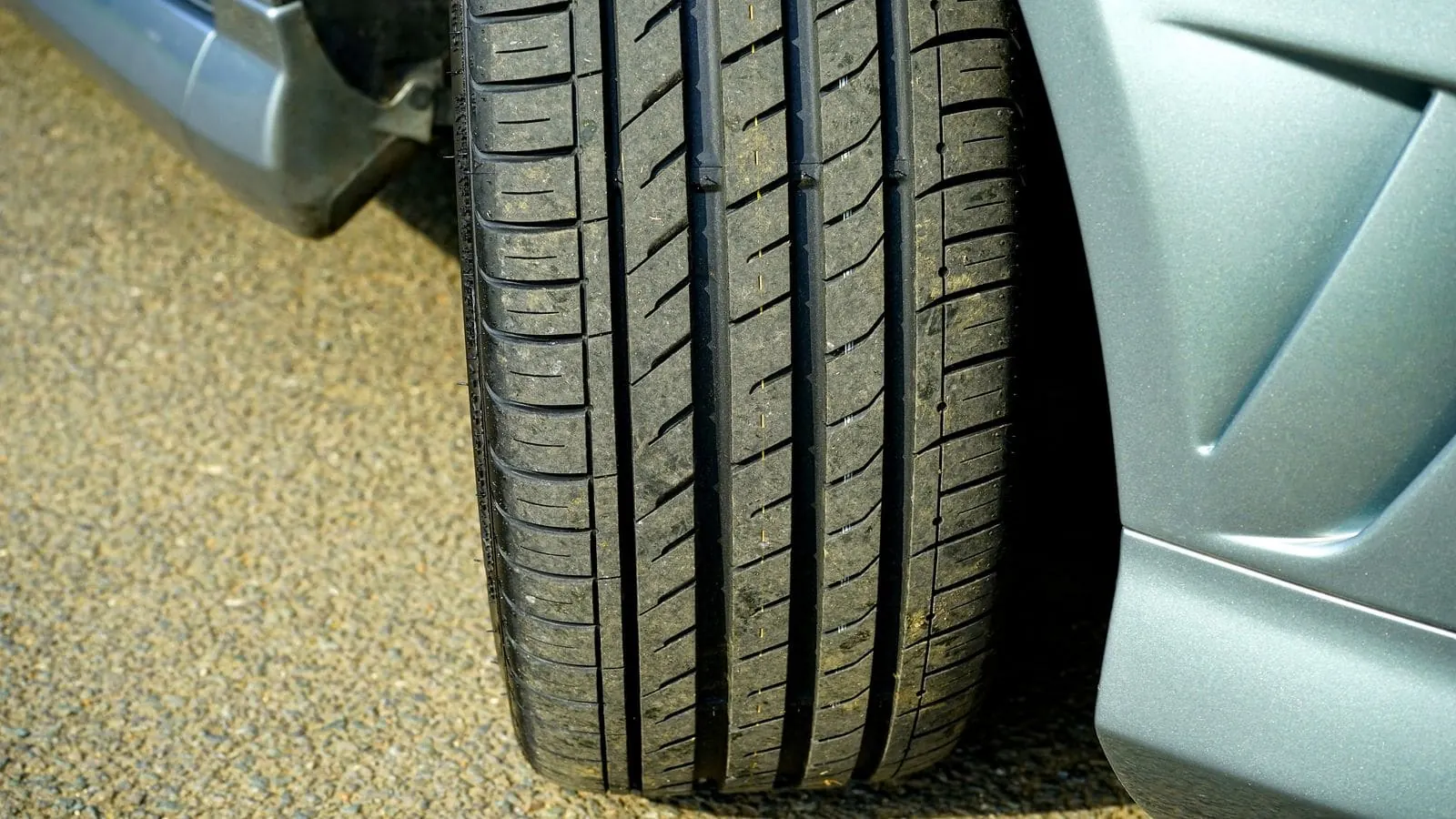
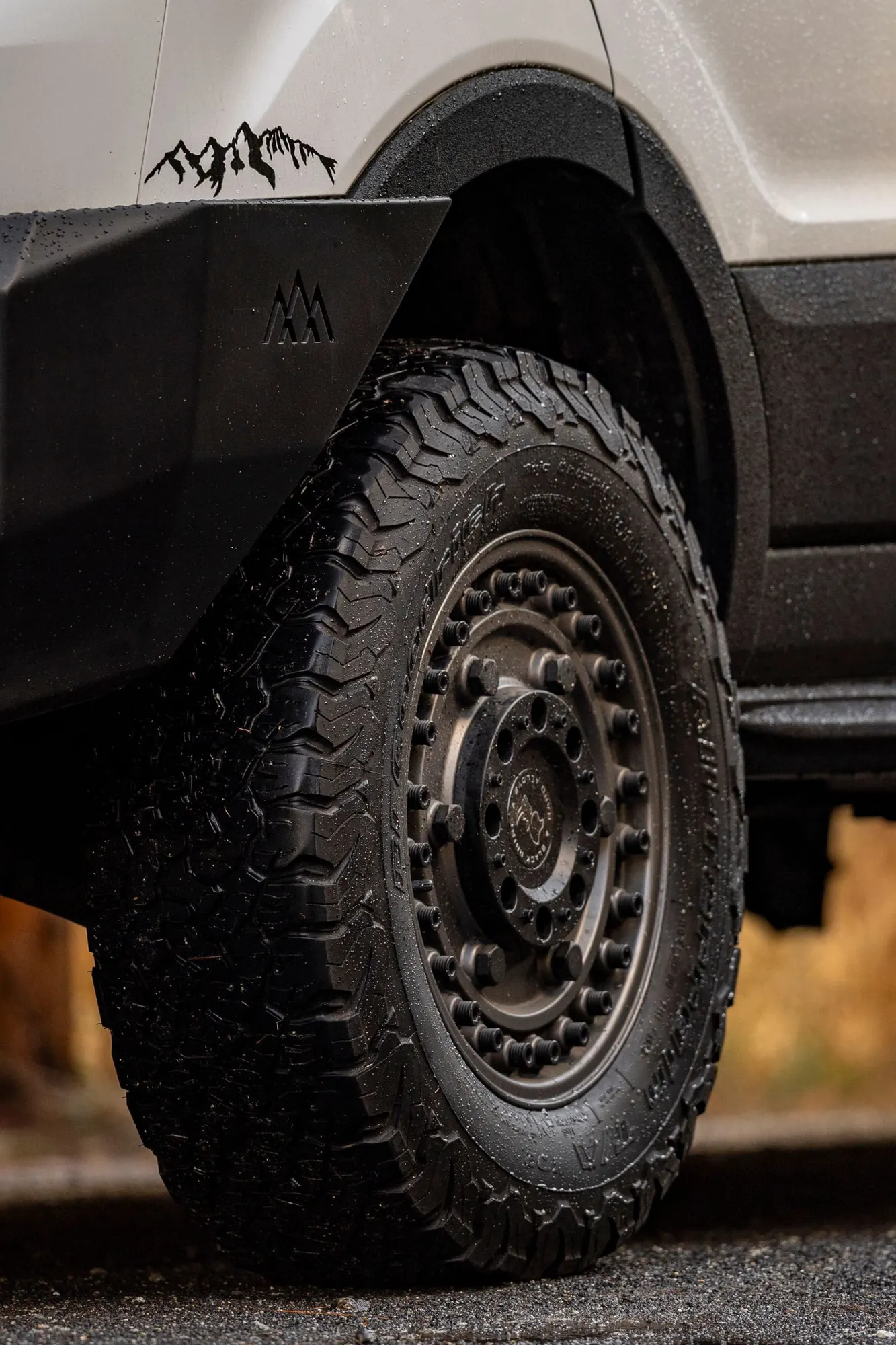
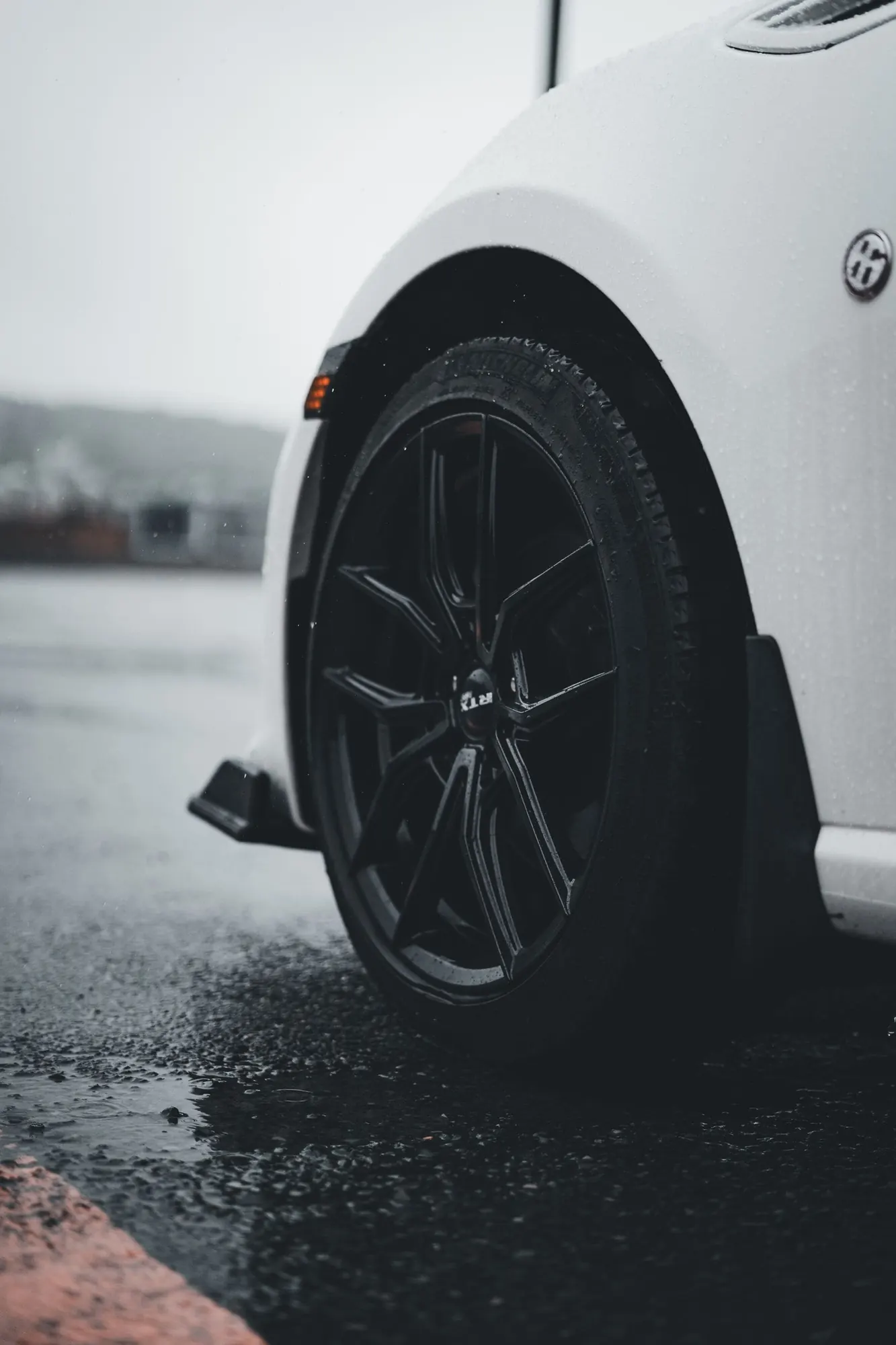
Not quite the right match? Compare handling and weather rating across the rest of what we carry.
Not sure which tire is right for you?
Tell us about your vehicle and how you drive — our Aurora team will help you pick the right type before you buy.