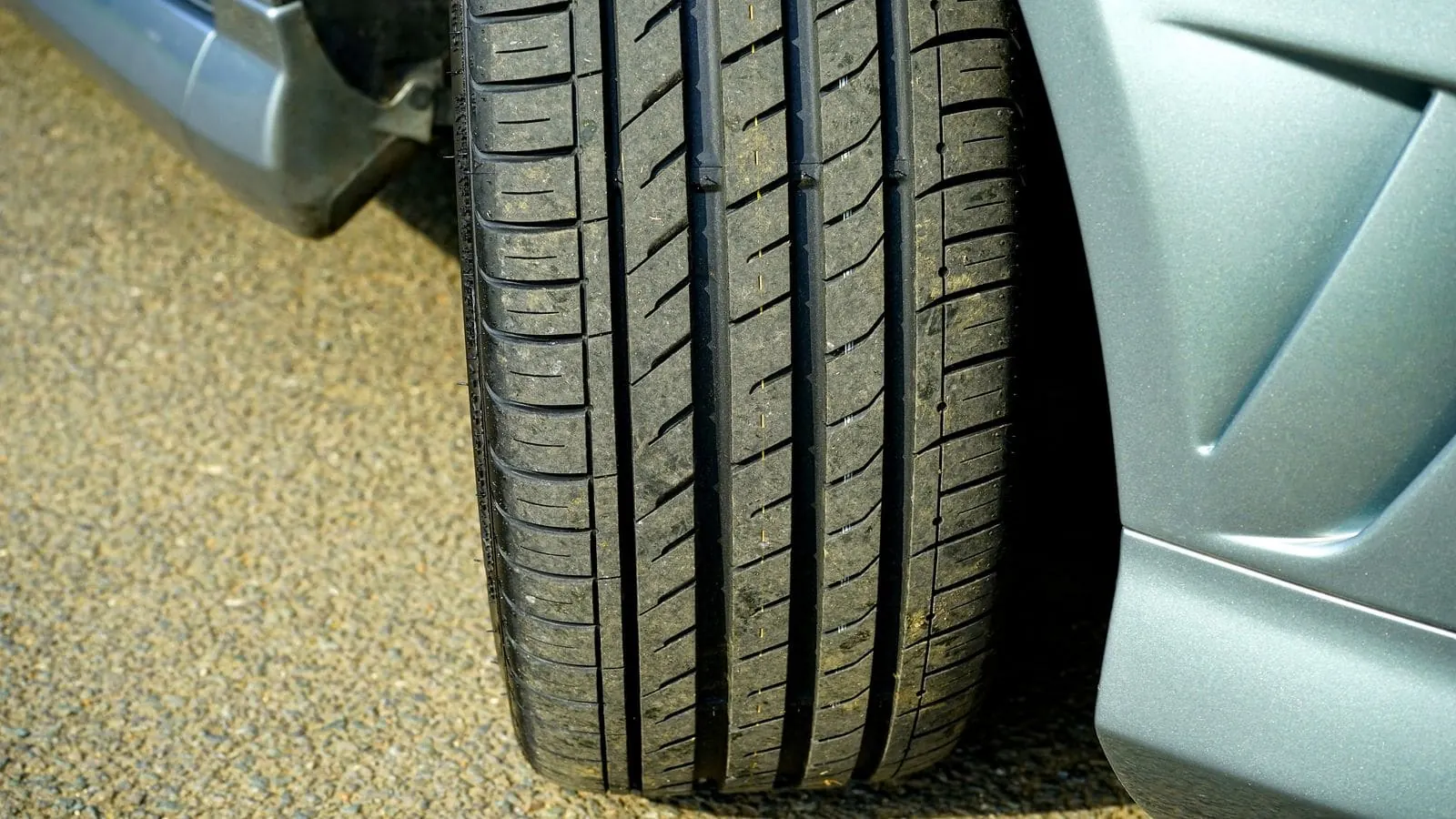
All-Season Tires
The everyday default for moderate climates
Tuned for above 7°C
Are All-Season Tires the Right Fit for You?
At Terron Tire in Aurora, ON, we hear a version of the same question from almost every driver: can all-season tires actually get you through a York Region winter? Given how far temperatures drop here once winter sets in, our answer is a clear no — all-season tires are built as a year-round compromise, and that compromise breaks down the moment the mercury drops below 7°C, long before any snow shows up. Here's what actually separates an all-season tire from a dedicated winter or all-weather tire, and why the difference matters more than most drivers think.
Riding & Handling
Because all-season tires are tuned for balance rather than one strength, ride comfort is usually the standout — most drivers get a quiet, forgiving ride with predictable steering response and stable cornering on both dry and wet roads. That comfort-first tuning is exactly why all-season tires are the default fit for family sedans, minivans, and crossovers rather than performance-focused vehicles.
Best Weather Conditions
All-season tires are built for dry pavement, light rain, and mild winters — anywhere temperatures stay mostly above 7°C. Their rubber compound is tuned as a year-round compromise, so wet traction and snow traction both fall off quickly once temperatures consistently drop below 7°C, even without snow on the ground.
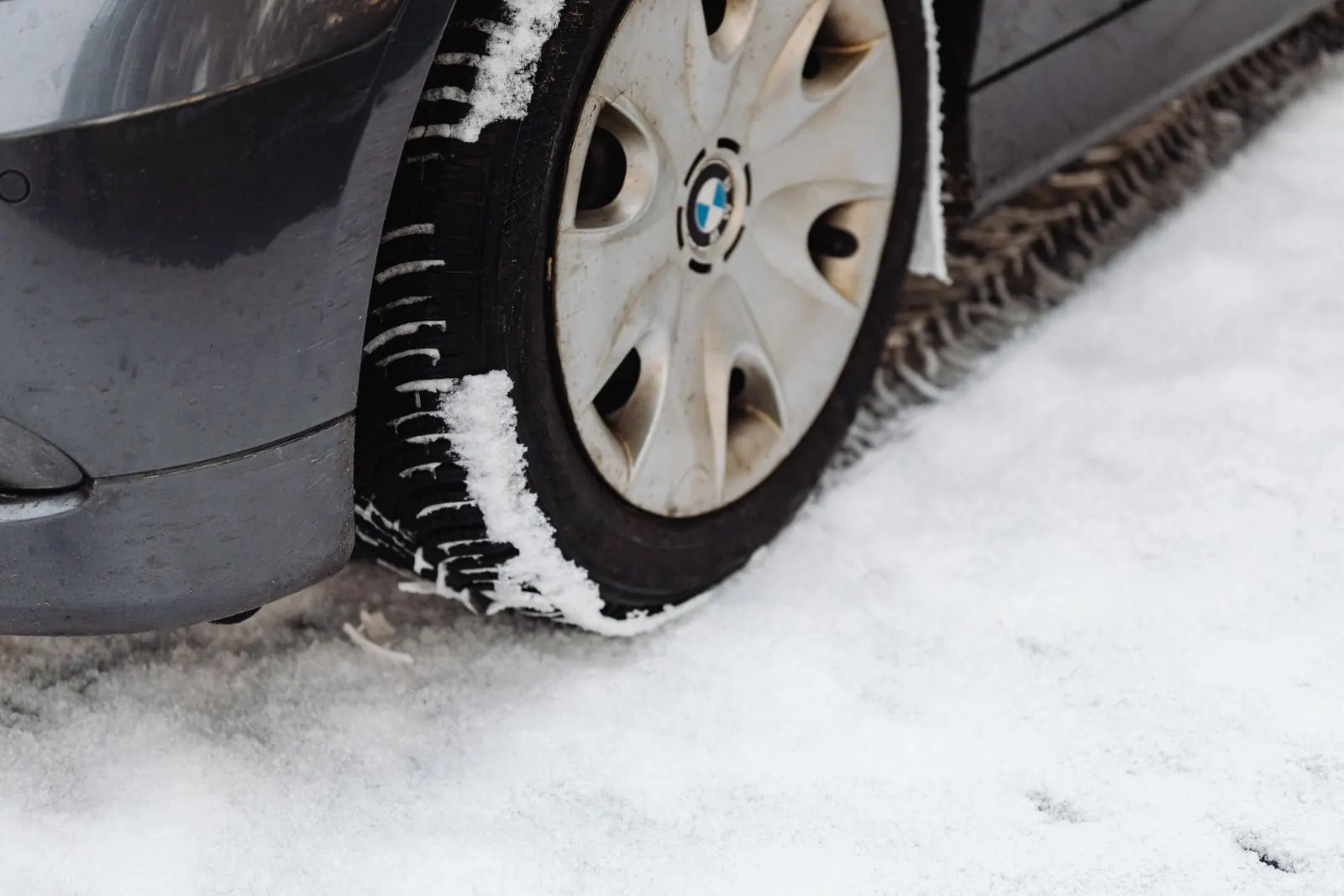
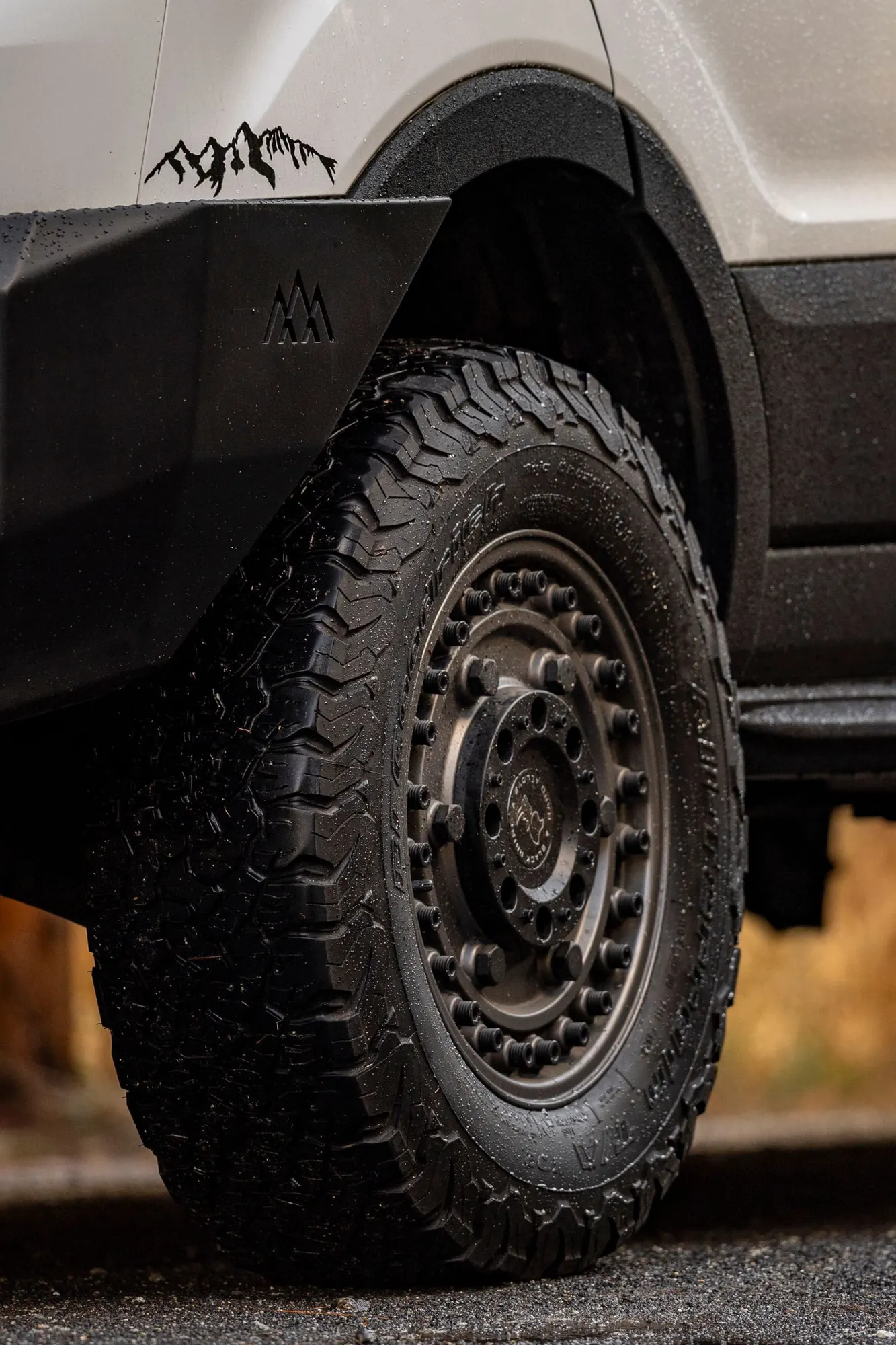
Other Tire Types
Not quite the right match? Compare handling and weather rating across the rest of what we carry.

Not sure which tire is right for you?
Tell us about your vehicle and how you drive — our Aurora team will help you pick the right type before you buy.