Ignore the Number on Your Tire's Sidewall
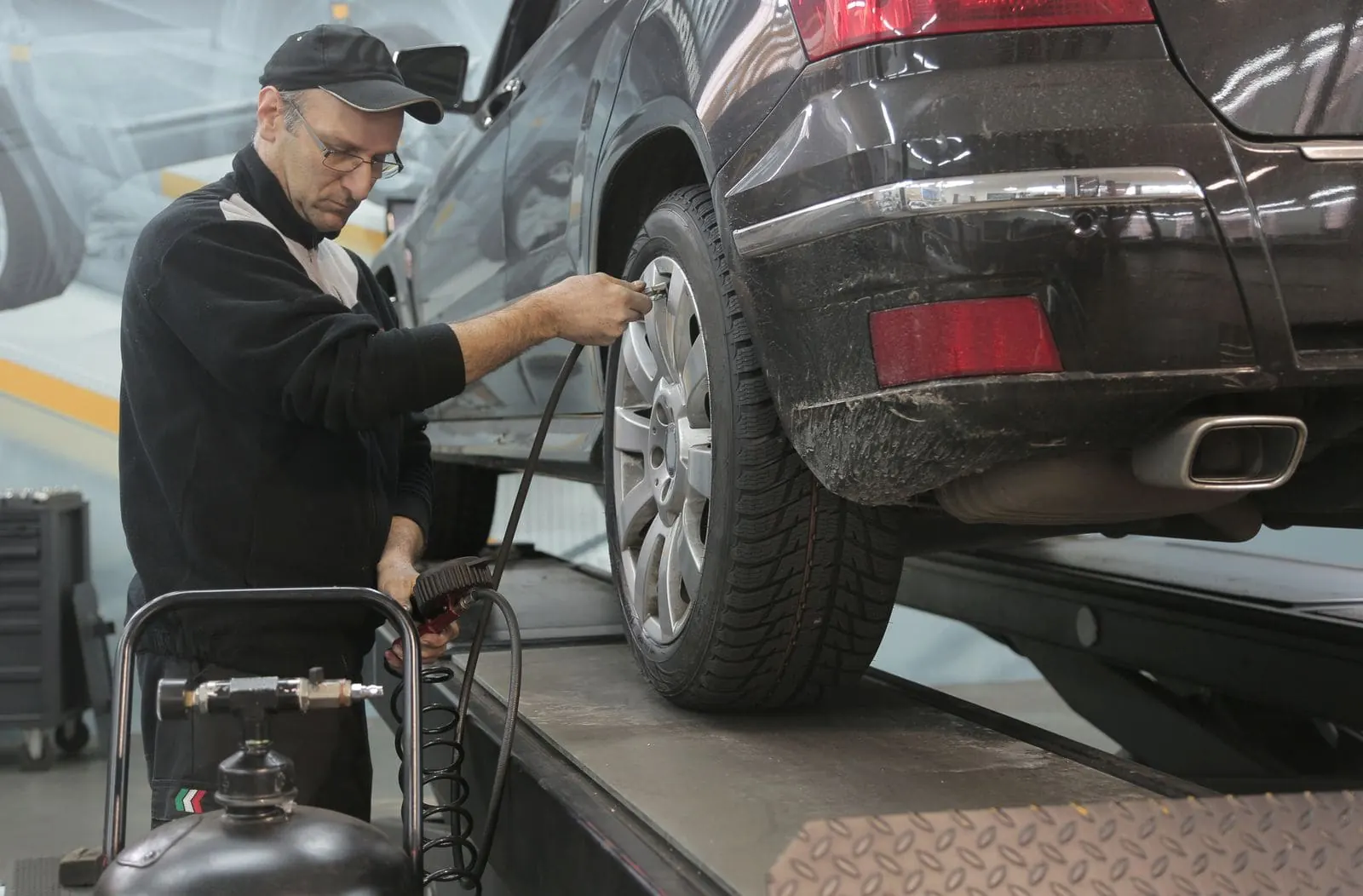
This trips up more drivers than anything else: the PSI number molded into your tire's sidewall is the tire's maximum pressure rating, not the recommended pressure for your vehicle. The number you actually want is on the sticker inside your driver's door jamb, or in your owner's manual — it's set by the manufacturer for your specific vehicle, tire size, and load.
Where Mustang Owners (and Other Performance Drivers) Get Tripped Up
Performance cars like the Ford Mustang often come with staggered tire setups — different sizes front and rear — which means the recommended PSI can differ between the front and rear axles too. Many Mustang trims land somewhere in the 30–35 PSI range, but the only reliable number is the one on your specific vehicle's door jamb sticker, since it changes by trim, tire size, and model year.
Always Check Pressure Cold
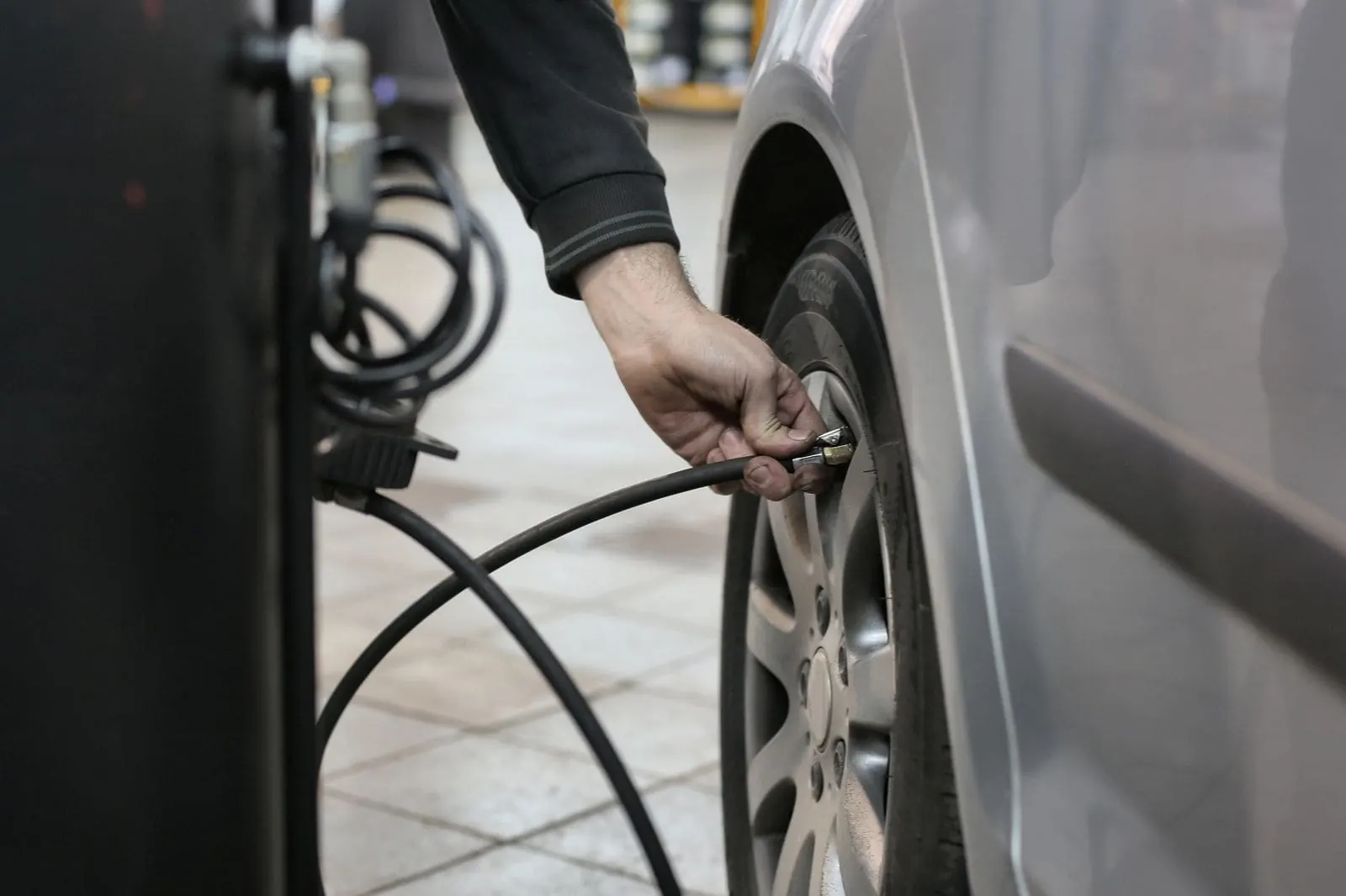
"Cold" doesn't mean the outside temperature — it means the tire hasn't been driven on for at least three hours, or driven less than roughly 1.6km. Driving heats up the air inside a tire and raises the pressure reading, so checking right after a drive gives you an artificially high number and can lead you to underinflate once the tire cools back down.
Why Getting PSI Wrong Costs You More Than Comfort
- Underinflated tires run hotter, wear faster on the outer edges, hurt fuel economy, and carry a higher blowout risk — especially at highway speed.
- Overinflated tires ride harsher, wear faster down the center of the tread, and actually reduce your contact patch — meaning less grip, not more, even on a performance car.
- Both directions quietly shorten the life of tires that, on a performance car, are rarely cheap to replace.
Don't Forget the Seasonal Drop
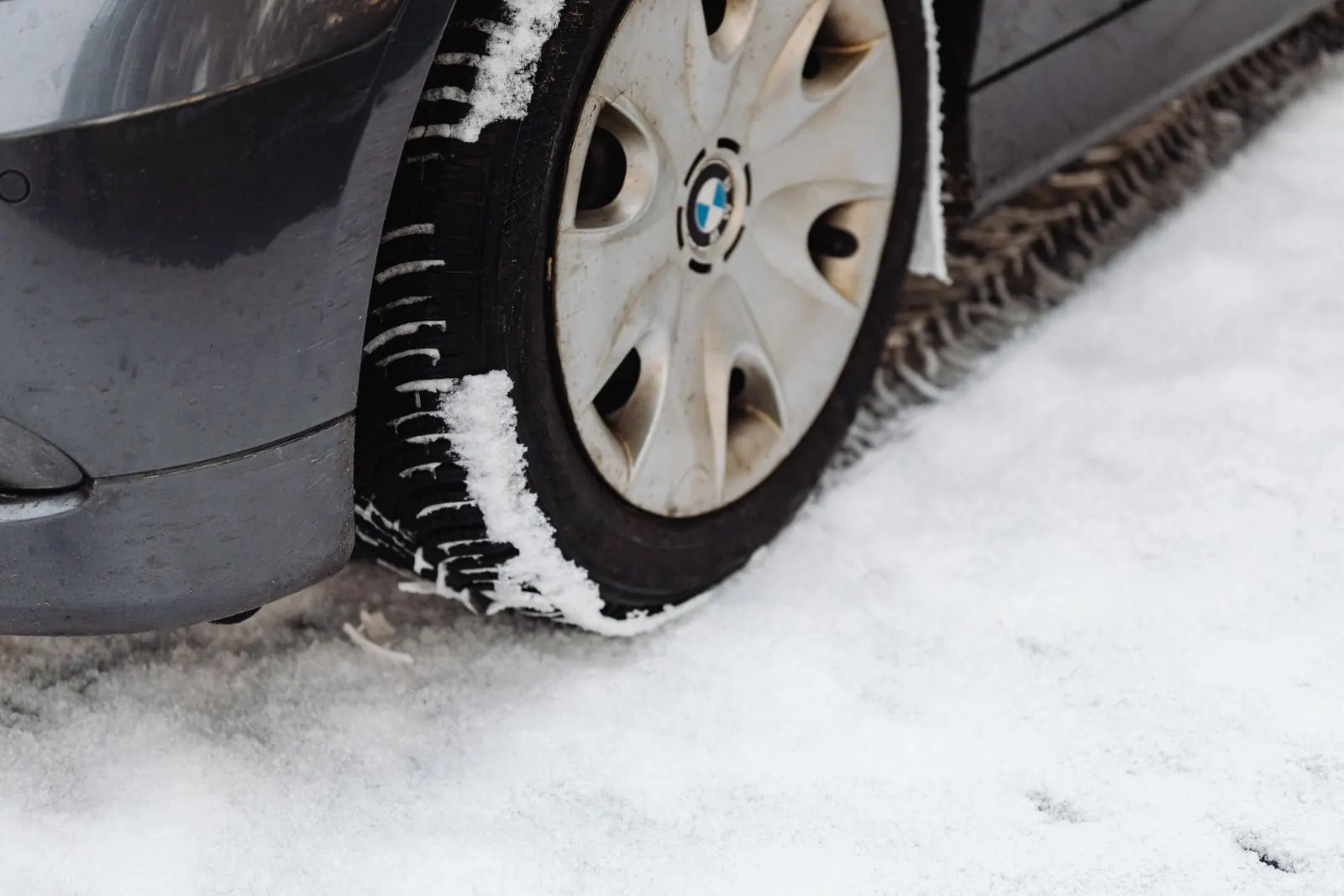
Tire pressure falls by roughly 1 PSI for every 10°F (about 5.5°C) drop in temperature. That means the pressure you set in August won't hold through an Ontario October — check monthly through the fall and winter, and it's a good reminder to book your seasonal tire swap and balancing before the first cold snap.