The Short Answer
If your steering wheel or seat starts to shake around 80 to 110 km/h and smooths out again when you slow down, the most likely cause is a wheel that's out of balance. The next most common causes are a bent rim from a pothole, a damaged tire, or worn steering and suspension parts. A balance check is quick, so it's the sensible place to start — and if the shake came on suddenly or feels violent, slow down and pull over safely first.
First: When to Stop Driving
Most highway shakes are a comfort and wear problem, not an emergency. But stop and check, or have the car towed, if the vibration started suddenly, is getting worse quickly, comes with a thumping noise, or the car pulls hard. Look for a bulge on a tire's sidewall, and if a wheel was recently removed, make sure the lug nuts are tight. A wheel with loose lug nuts can come off.
The Most Common Causes
- Wheel imbalance. Tiny weight differences around a tire and wheel turn into a shake as speed rises, usually felt in the steering wheel (front wheels) or the seat (rear wheels). It's the most common cause, and the easiest fix.
- A lost wheel weight. Balancing weights can fall off after a pothole or a curb hit, so a car that was smooth can suddenly start shaking.
- A bent rim. Ontario potholes bend rims more often than people think. A bent rim can't be balanced out properly, so the shake stays even after balancing.
- A damaged tire. A bulge, a flat spot, or a belt that has separated inside the tire causes a shake or thump that often gets worse with speed. That tire needs replacing.
- Uneven or cupped tread wear. Scalloped wear, often from long-term imbalance or worn suspension, makes a rhythmic vibration and noise.
- Worn steering or suspension parts. Loose or worn components let the wheel move and amplify any small imbalance.
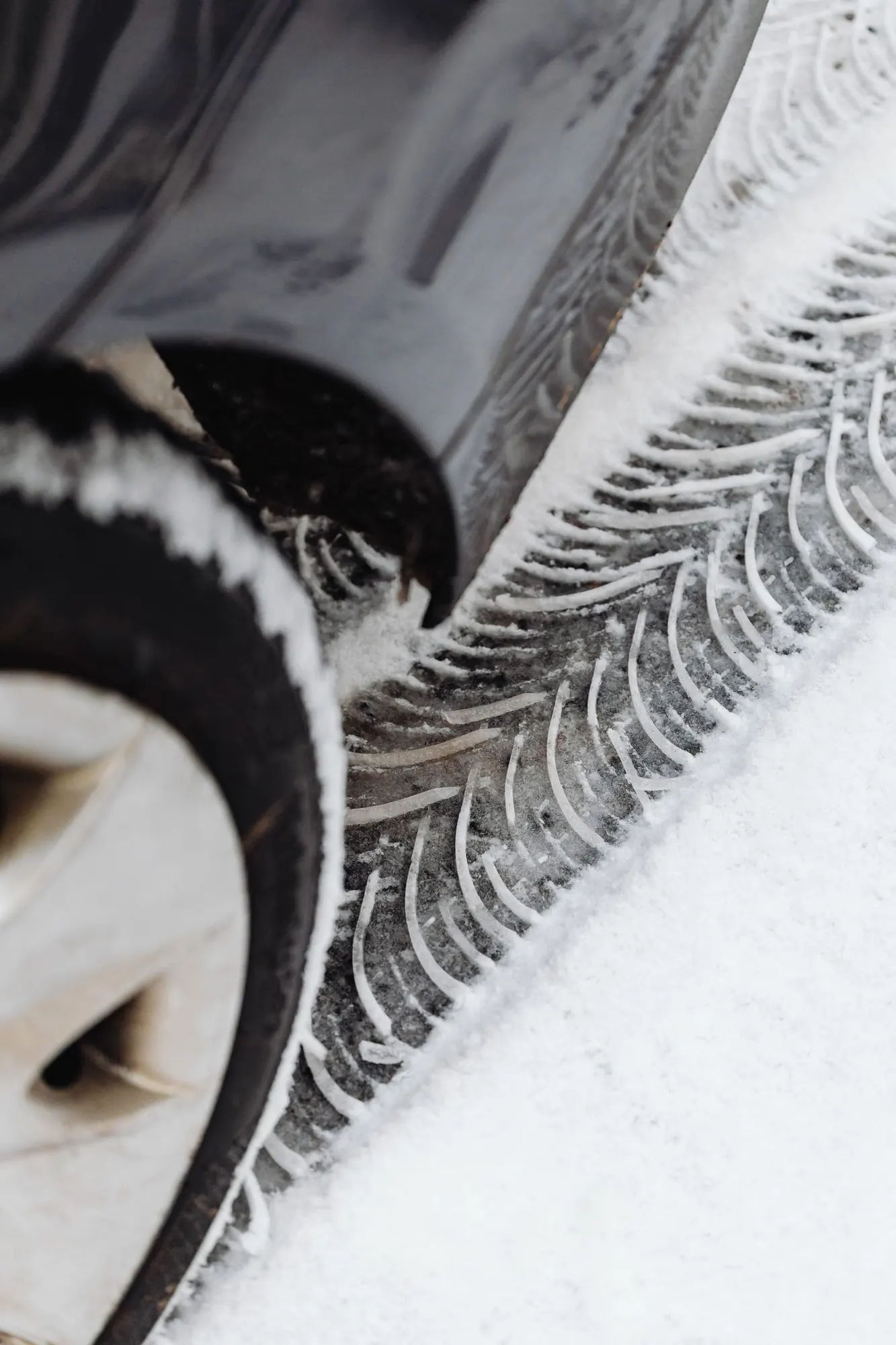
- Snow and ice packed inside the wheels. A very Ontario cause: slush that freezes inside the rim throws the balance off until it melts or is cleared.
If the shake only happens when you brake, it's more likely a brake issue than a wheel balance one. For how balancing works and what affects the price, see How Much Does Wheel Balancing Cost?.
Why Does My Car Vibrate After New Tires?
New tires should make a car smoother, not rougher. If a vibration appears right after new tires or a seasonal changeover, the usual reasons are:
- A wheel that wasn't balanced, or a balance weight that came off.
- A tire bead that isn't fully seated on the rim.
- A wheel that wasn't mounted flush, or lug nuts that weren't tightened evenly in the right pattern.
- A bent rim that was already there, now noticeable with new, round tires.
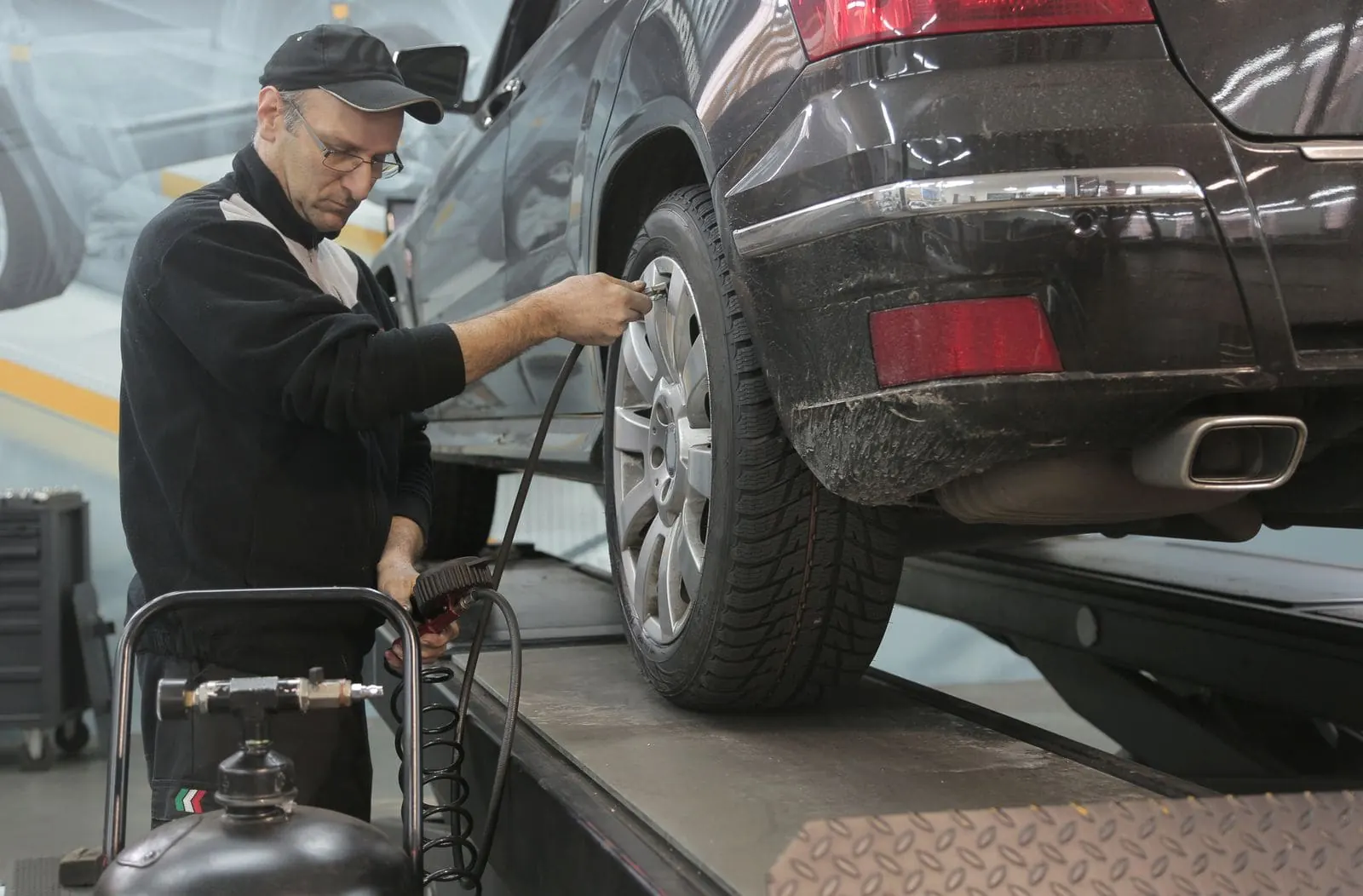
Every installation at our shop includes computer balancing on each wheel and lug nuts torqued to spec with a calibrated tool, for exactly this reason. If a vibration shows up after a visit, come back and we'll check it. See what's included in tire installation and balancing.
Why It Still Shakes After Balancing
If a wheel was balanced and the shake is still there, balance probably wasn't the whole problem. The usual suspects are a bent rim, a tire with internal damage or uneven wear, or worn steering and suspension parts. A good shop will spin the wheel on the balancer and check it for wobble, and inspect the tire for bulges and wear, instead of just adding more weight.
A car that pulls to one side, or an off-centre steering wheel, points more toward alignment than balance. We explain the difference in 5 Signs Your Vehicle Needs a Wheel Alignment.
Get It Checked in Aurora
A highway shake rarely fixes itself, and it wears tires and parts faster the longer it goes. Book a balance check at our Aurora shop: we'll balance each wheel on a computer balancer and check your tires and rims for damage.